Nature Photography Walk
Half a day built around giving a kid real control of a real camera on a slow walk — a shot list to hunt, a ten-keeper limit to force choices, and a proper judging session afterwards. The constraint is the curriculum; the hot chocolate is the darkroom.
Last updated
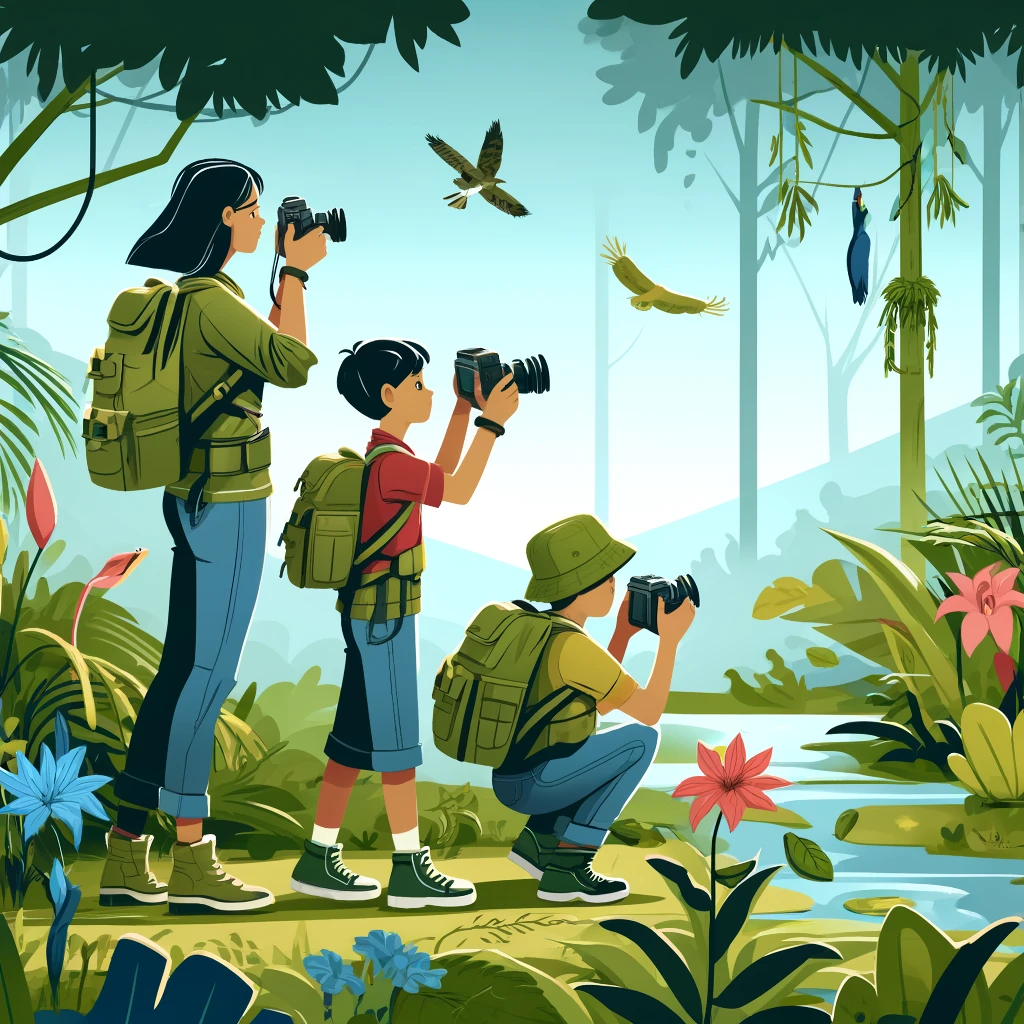
Before you start
The activity is trust, mostly — the phone leaves your pocket and enters theirs for the whole walk, which changes how they walk. A kid with a camera stops seeing a boring path and starts seeing shots; the transformation takes about four minutes and is a pleasure to watch from slightly behind.
Two constraints do all the teaching. A shot list turns wandering into hunting — something older than Grandad, something the colour of nothing else here, something an ant would call scenery. And the ten-keeper rule — shoot freely, but only ten survive to the judging — teaches the actual skill of photography, which is deleting. Choosing between two nearly-identical snail portraits is editorial judgement being born.
How it goes
The briefing
Write the shot list together — six to eight prompts, mixing literal (a feather, water doing something) with sideways (a colour that shouldn't be here, the smallest thing you can get sharp, a place a mouse would hide). Hand over the camera with the two rules and the one technique worth teaching in advance — get close, then closer than that. Everything else they'll find alone.
The hunt
Walk slow and let them stop constantly — the stopping is the activity; any walk that covers real distance has failed. Your job is pointing at nothing ("what's that then") and carrying things. Resist reviewing their shots mid-walk unless invited; over-shoulder direction turns photographers back into children being supervised.
The edit
The ten-keeper cull, done by the photographer with the jury (you) permitted opinions but no votes. Watch the reasoning appear — "this one's sharper", "you can't tell what it is", "this one has a feeling". That last sentence is the whole art form arriving. Shortlisted shots get titles, because titled photographs are 40% better, this is known.
The exhibition
The ten keepers go somewhere real — printed at a kiosk for pounds and blu-tacked in a hallway line, or a family-chat gallery drop with titles attached. Same walk, next season, same shot list — the repeat is where it becomes photography, because now there's a body of work and last spring's snail to beat.
Make it fit your kids
They shoot with your hands as the tripod and their finger on the button — sixty photos of the same dog, blurred with joy. Pick their ten together by pointing; their titles are the day's best writing.
Full camera custody with the strap on — expect 200 shots, mostly of the ground, four of them accidentally beautiful. The cull needs your gentle chairing but their final calls.
The real audience — they'll internalise the shot list, invent their own prompts and start arguing about light. Introduce one manual idea (tap-to-focus, or shooting into the sun on purpose) per walk, no more.
Their grid, their edit, their rules — offer the walk and the hot chocolate, not guidance. A themed brief they'd never admit enjoying ("decay", "small dramas") gets remarkable work back.
Free with any phone that takes pictures — the walk, the list and the cull cost nothing, and the exhibition works as a sofa slideshow if printing's a stretch.
If it’s going really well
- The seasonal rematch — same walk, same list, four times a year, hung as a changing-seasons quartet.
- A photo-a-day week on one theme, reviewed at Sunday breakfast like an editorial meeting.
- The family exhibition — everyone's best six, printed, titled, hung, opening night with squash in wine glasses.