Create a Fairy Garden
Half a day building a fairy settlement outdoors — house, garden, infrastructure — from gathered materials, with the magic maintained by the one mechanism that matters — something changes overnight. The build is craft; the aftermath is a running story the family tells together for months.
Last updated
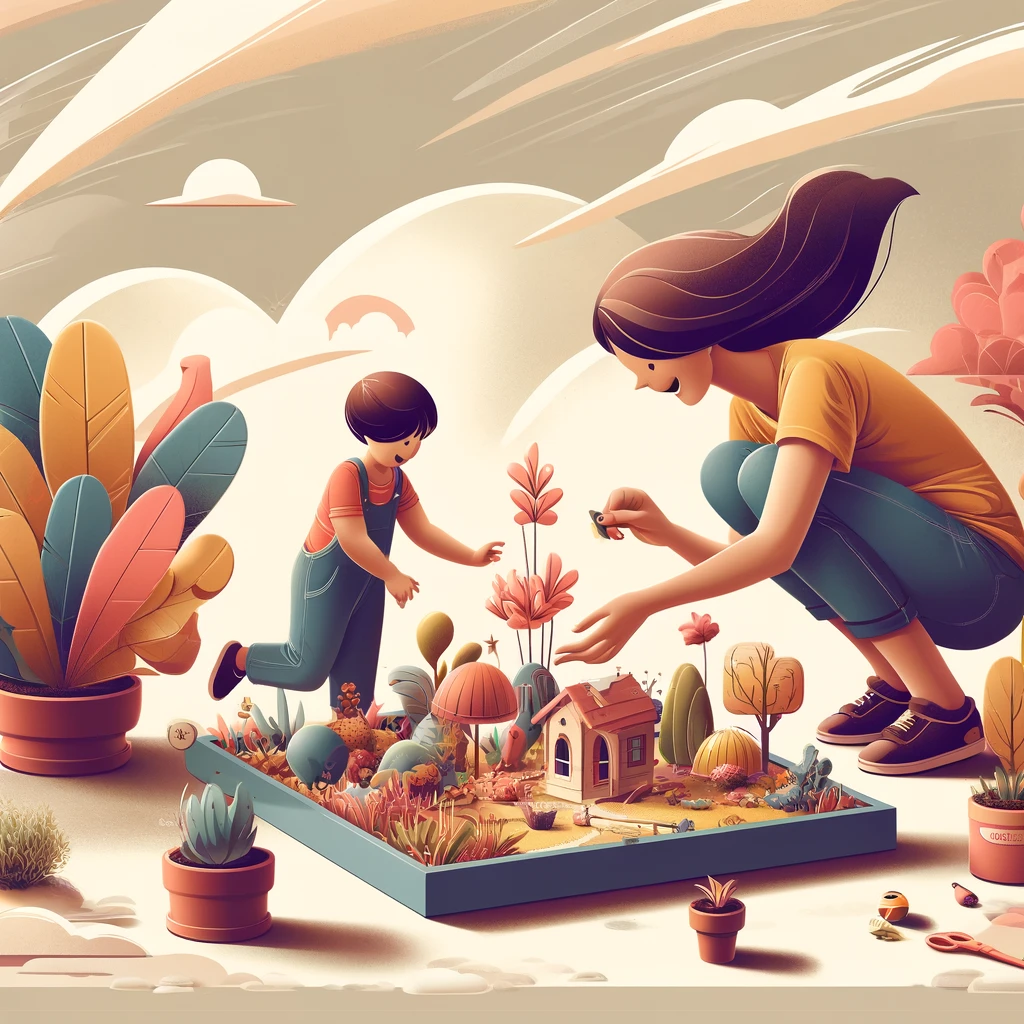
Before you start
A fairy garden is a miniature garden with a tenant, and the tenancy is the whole difference — the build takes an afternoon, but the belief economy runs for months, powered by one simple parental commitment: every few days, something small changes. A door left ajar, a pebble path extended, a tiny letter, thumbnail-sized muddy footprints on the doorstep. The maintenance costs you ninety seconds a week and buys a running story the kids co-write with their whole hearts.
Build outdoors at the base of a tree, along a wall, or in a big pot by the door — somewhere weather-real, because a fairy garden that survives rain earns more belief than a shelf ornament. Gathered materials only (bark, twigs, moss, pebbles, acorn caps); bought resin mushrooms are the fastest way to make magic look like a garden centre.
How it goes
The gathering walk
A slow forage with a bag and a brief — roofing bark, structural twigs, moss lawn, path pebbles, and one special thing each (the acorn-cap teacup chooses its finder). The walk sets the aesthetic — everything in the garden will have been found, which is why it'll look like it grew there. Nothing gets picked living; the ground provides everything a fairy requires.
Construction
The house first — twig frame lashed or leaned against the tree, bark roof overlapping like tiles (it genuinely sheds rain if you lap it right, a detail worth doing properly for the first-storm payoff). Then the estate — pebble path, moss lawn, twig fence, foil-lined pond with pebble edging. The build divides naturally — engineers on the house, landscapers on the grounds, and the smallest hands on moss-patting, which is a real job.
Furnishing and the vacancy notice
Interiors — button table, acorn bowls, a leaf hammock, a bead on a twig as the porch lantern. Then the settlement's masterstroke — a tiny sign or letter announcing the vacancy ("small house available, quiet neighbours, apply within"). The kids write or dictate the listing. The garden is now live; the family goes in for dinner and the tenancy begins.
Move-in day
Overnight, something changed — the door's ajar, there's a thumbnail footprint in strategic mud, a reply letter in tiny handwriting accepting the tenancy. The discovery breakfast is the payoff for the whole build. Thereafter the economy runs itself — the kids leave offerings and letters, the tenant replies on a realistic delay (fairies are busy; twice a week is plenty), and the garden gets maintained, expanded and defended by its landlords through the season.
Make it fit your kids
They gather with total commitment (quality control needed on what constitutes moss), pat lawns, and receive the footprint discovery with the unguarded awe the whole build exists for.
The belief heartland — chief architects, letter-writers and tenancy administrators. They'll expand the settlement weekly and read the replies aloud at breakfast with their whole chest.
Some believe, some engineer, many do both at once and don't examine it — give the sceptics the co-conspirator role for younger siblings' gardens, which converts detective energy into stagecraft.
Set decoration and forgery department — tiny letters in convincing hands, footprint logistics, night operations. Running the magic for small siblings is the format's honourable retirement.
Entirely free by design — the aesthetic depends on gathered-not-bought, the resident is a peg doll or nobody-visible, and the correspondence runs on paper offcuts and the change of season.
If it’s going really well
- Seasonal works — a conker-store for autumn, a foil ice rink at Christmas, blossom bunting in spring; the tenant comments on each by letter.
- The census — neighbouring houses appear (built by visiting cousins, ideally) and the settlement becomes a village with local politics.
- The fairy trail — three more micro-sites hidden along a favourite walk, found by the family on scheduled expeditions.