Leaf Rubbing Art
A gentle hour — a short leaf-collecting expedition, then the rubbing table, where veins and edges emerge through paper in a way that reads as genuine magic under six. Builds into colour-blended forests, identification games and framed autumn keepers.
Last updated
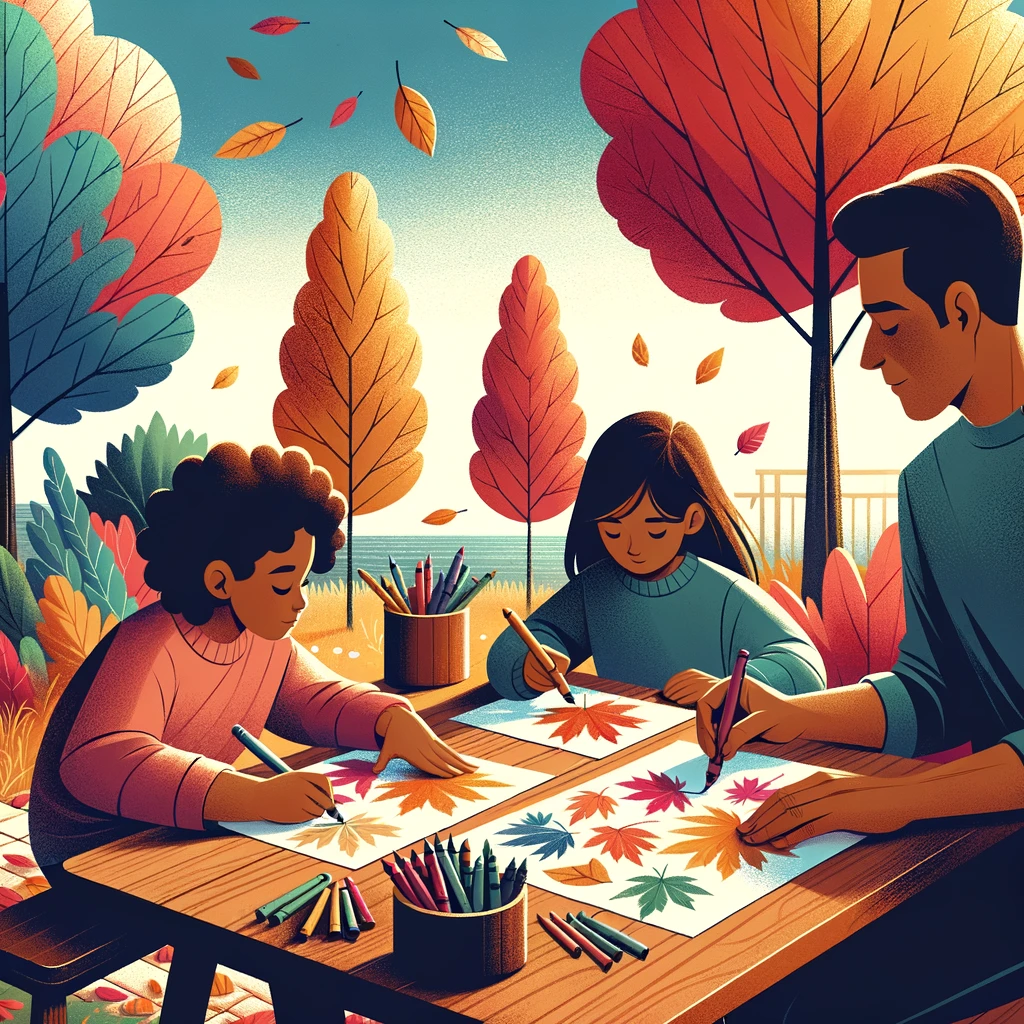
Before you start
Leaf rubbing is the reliable small miracle of the craft table — paper over leaf, crayon side-on, and the veins surface like a photograph developing. It's a five-minute trick, and the hour comes from what surrounds it: the collecting walk (different trees make visibly different rubbings, which is identification sneaking in), the colour experiments, and the composition stage where rubbings become forests, patterns and cards.
Two technique notes carry the whole activity: veins-side up under the paper (the bumpy side is the printing plate), and crayon on its side with the label peeled — the tip tears paper and finds nothing; the flank finds everything. Fresh leaves beat crispy ones; the crispy shatter is the craft's one heartbreak and it's avoidable by collecting the bendy.
How it goes
The collecting run
Around the garden or block with a bag and a brief — big leaves, small leaves, jagged and smooth, one of each from every tree that offers. Feel for bendiness; teach the two-sides check (smooth face, bumpy face) as you go, because finding the printing plate becomes each child's own expertise within minutes.
First magic
One demonstration — leaf bumpy-side-up, paper over, crayon flank swept across — and the vein-skeleton surfaces to the reliable gasp. Then hands on, with the two corrections that fix every early failure — hold the paper still (or tape its corners — the toddler upgrade), and stroke in one direction rather than scrubbing.
The studio hour
Every leaf, every colour — then the discoveries that keep it alive — two-colour blends swept from opposite sides, the same leaf printed in a ring to make a mandala, rubbings overlapped into a forest with crayon trunks drawn beneath. The identification game runs alongside for free — match each rubbing back to its leaf, then to its tree on the next walk.
The gallery edit
Best works chosen by their artists, titled, and dispatched to their fates — the fridge, a frame if one's going spare (a framed oak rubbing is genuinely handsome), or folded into cards for the grandparent post. The leaf collection presses under a heavy book for winter's stock, and the tree-spotting habit walks home with everyone who made one.
Make it fit your kids
Tape the paper corners, hand over a fat peeled crayon, and let the magic do its work — their scrub-style rubbings are foggier and they could not care less. The collecting run is half their hour.
Technique lands — one-way strokes, colour blends, the mandala ring — and the identification game becomes genuinely competitive. Card production for relatives starts here unprompted.
Reframe as printmaking — deliberate compositions, coin-and-bark texture layers, white crayon on watercolour-washed paper (the resist trick, which reliably astonishes). A field guide beside the table turns it into botany.
The resist-wash technique and a good frame make this legitimate art-on-the-wall — offer it as a one-off maker's hour, no framing as a kids' craft required or advised.
Free beyond honest argument — fallen leaves, printer paper and the crayon stubs the drawer was already hoarding. The frame is the only conceivable expense and charity shops solve it for pence.
If it’s going really well
- The tree passport — one rubbing per species per season, labelled, until the local walk is fully documented.
- Texture safari — coins, bark, drain covers and brick walls join the repertoire; the buildings get rubbed too.
- Wrapping paper production — big sheets, all-over leaf patterns, and the year's presents wear the garden.